
Most of us are not doctors, though we have a functional medicine D.O. advising. We are bringing the latest health information to a broad population. You should always consult with your own medical professionals.
Areas of Health
- Home
- Areas of Health

Environmental Health
Environmental health is the state of the surroundings in which you live, work, and play - air, water, food, buildings, and communities - being clean, safe, and supportive of your physical and mental well-being.
Select a topic below to dig deeper
Assessment
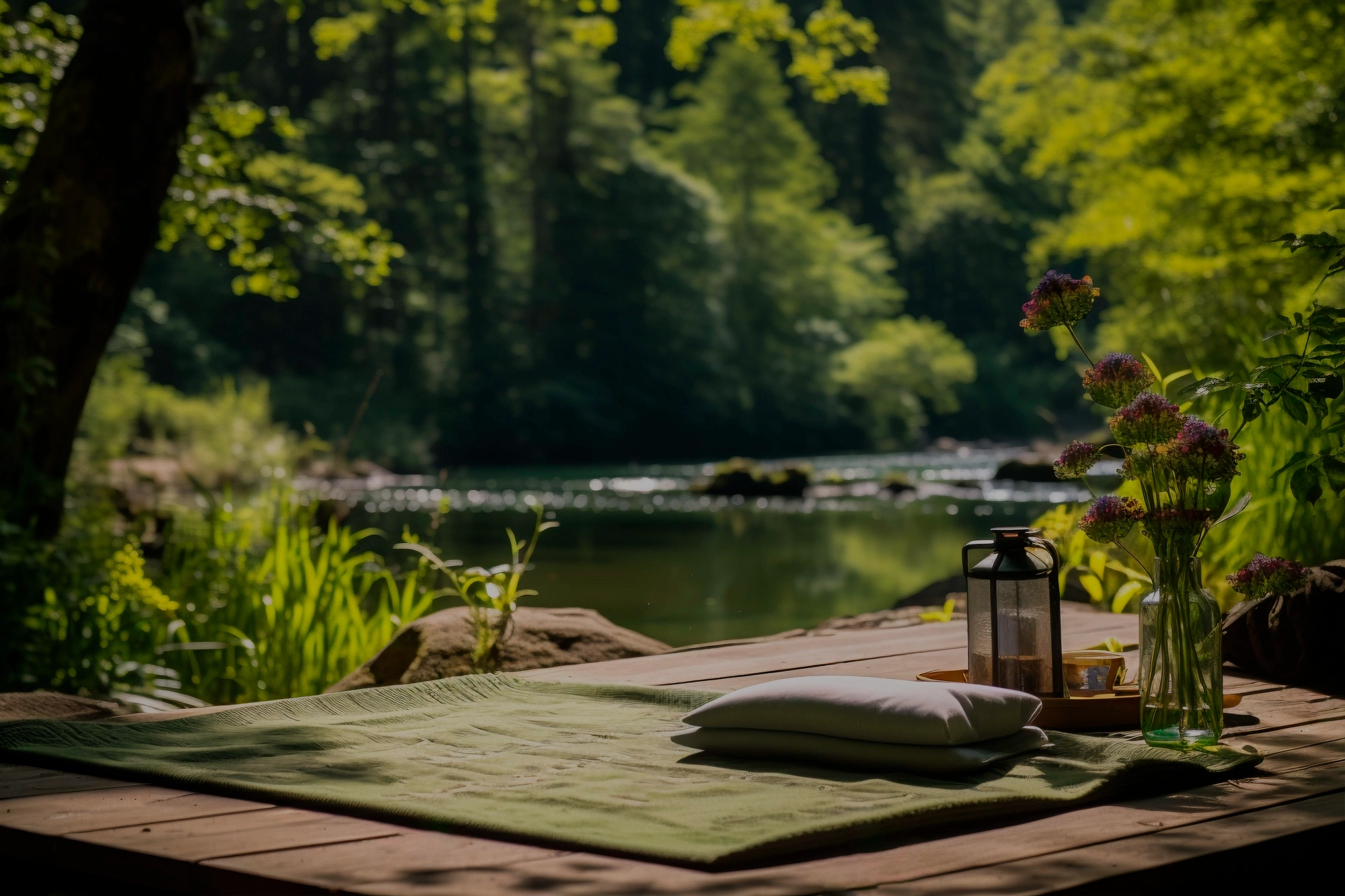
Assessing your environment means looking honestly at the air you breathe, the water you drink, the noise you absorb, and the spaces you move through every day. It’s asking tough questions, What am I inhaling? What’s in my home and workplace?, and using that awareness to spot hidden risks instead of normalizing them. When you scan your surroundings for what harms and what protects you, you turn passive exposure into active protection, taking back control over the conditions shaping your body and mind.
Click for morePeople
The people we associate with are part of our ecosystem, shaping what we breathe emotionally; stress, calm, conflict, or support. Supportive, health-conscious relationships can pull us toward cleaner spaces, safer habits, and communities that demand better air, water, and housing. Toxic or apathetic circles, by contrast, normalize unhealthy environments and behaviors, quietly teaching us to tolerate what we should be resisting or changing. People, and our relationship to them, are an influential piece of our daily environment.
Click for moreSociety & Culture
These act like invisible architects, deciding which lifestyles are celebrated, which risks are ignored, and whose suffering is acceptable. Our stories and norms can either glorify waste or honor repair, stewardship, and restraint. When a culture shifts to see clean air, safe water, and green spaces as basic rights rather than luxuries, environmental protection stops being a niche cause and becomes a shared expectation. Our acceptance of, or drive to change, our environment is shaped by our shared beliefs.
Click for moreStructures
Our homes, schools, workplaces, and cities act as containers of exposure, either shielding us from harm or trapping us in it. The way buildings are designed, ventilated, lit, insulated, and maintained determines whether we breathe mold or fresh air, feel safe or vulnerable, move or sit stagnant, and whether we are calm or tense. When we demand structures that are toxin- free, energy-efficient, accessible, and green, walls and roads stop being silent hazards and become active allies in protecting our bodies and minds.
Click for moreNature & Cosmos
These remind us that our bodies are not separate from the cycles of sunlight, gravity, seasons, and planetary rhythms, they are regulated by them. Time under open skies and living ecosystems, calms the nervous system, restores attention, and counterbalances the artificial light, noise, and confinement of modern life. When we ignore our connection to nature and the wider universe, we shrink our world to indoor boxes and glowing screens, and our health quietly pays the price in stress, disorientation, and loss of meaning.
Click for moreSafety
Safety means more than the absence of disasters, it means everyday protection from toxins, injuries, noise, heat, and invisible harms we often take for granted. True safety is when you can breathe deeply, drink from the tap, walk your neighborhood, and enter a building without wondering what it is quietly doing to your body. When safety is ignored or unevenly distributed, some communities live in constant low-level danger, and that constant vigilance slowly wears down both health and hope and creates chronic stress.
Click for moreStimulation
Stimulation is the constant stream of sights, sounds, lights, and information that either nourishes our senses or overwhelms them. A well-designed environment offers varied but manageable stimulation; natural light, gentle sounds, colors, and textures that wake up the mind without jarring the nervous system. When stimulation is relentless, chaotic, or artificial (screaming screens, harsh lighting, nonstop noise), it keeps the body in a low-grade fight-or-flight state, draining focus, sleep, and long-term health.
Click for moreDo you have
Any Questions
Are you doctors?
Why shouldn't I just go to my doctor for this?
Well, most doctors in Western medicine care for the sick, not the fairly healthy. Since many specialties exist, covering these eight categories would take multiple professionals. We seek to give you a base for understanding your own health, enabling you to make positive changes on your own, and providing a foundation of knowledge to enable better conversations with your existing medical personnel.
What change methodology do you subscribe to?
While our process is based on the transtheoretical model of change, we recognize that change is an individual phenomenon with over-arching patterns. We will work with you to create change plans that match your life and accepted constraints.
I don't really want to change much, but I'd like to understand more about myself.
We will warn you, self-understanding is the first step on a journey to understand others. If your goal is personality assessment and assessments relating to your early life and 'how you were built', we have a site dedicated to that endeavor. Please visit ...
Can I just focus on one area?
While you certainly can focus in one area, holistic health looks at the integrated human and seeks to improve each area slightly, rather than improving only one area deeply. Over time, individual improvements in all areas are the goal for a fully integrated life.
I need specific care. Can you recommend a medical doctor, functional medicine specialist, or therapist?
While this is not a feature we offer today, we can foresee a network of trusted professionals coming together and being included in this answer in the future. In the meantime, we encourage you to find someone locally or online that you trust in these areas.
Mon - Fri: 0800 - 1800 UTC -7
Sun: 1000 - 1200
Sun: 1000 - 1200
18895 Pebble Beach Way
Monument, CO, 80132 (USA)
Monument, CO, 80132 (USA)
+1 307 429 0737
[email protected]
[email protected]